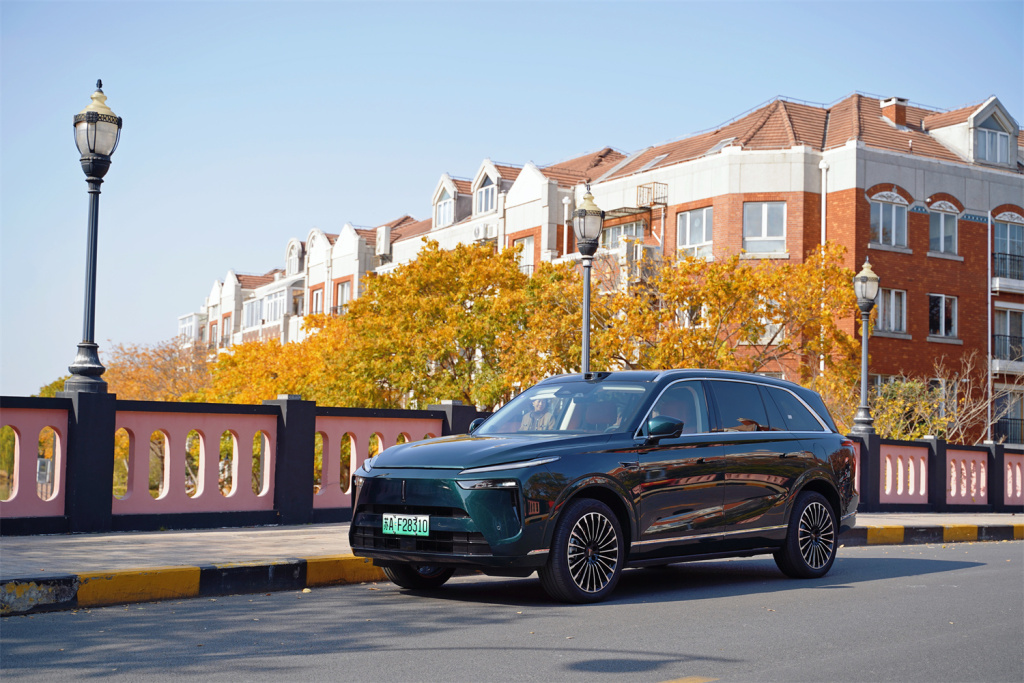
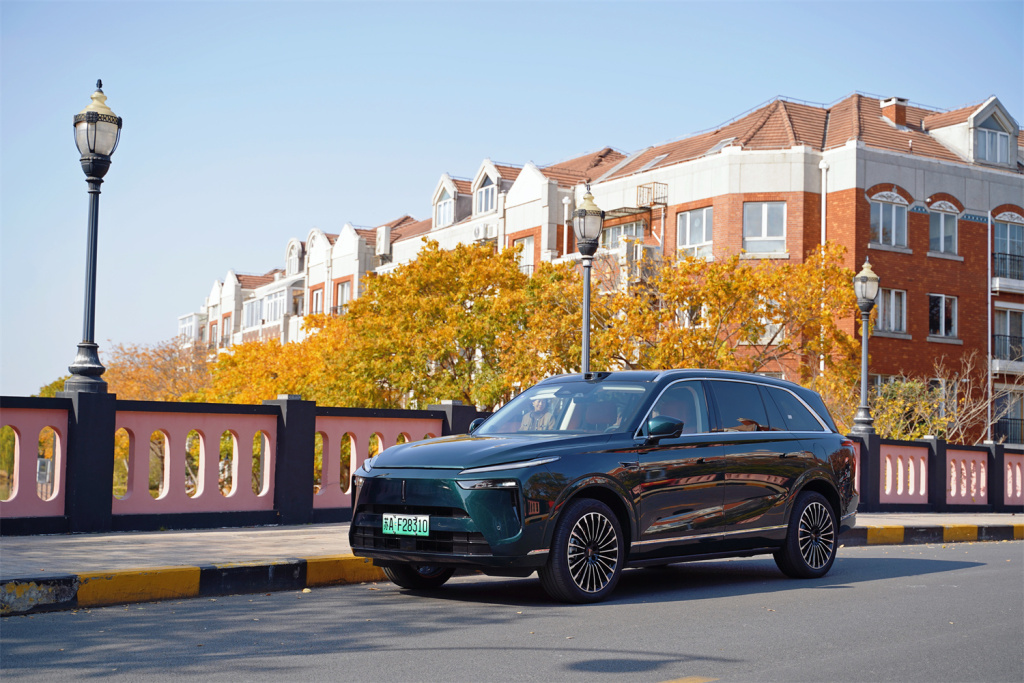
As the industry's first six-seat plug-in hybrid SUV equipped with the VLA large model, Wey recently launched the new Blue Mountain Intelligent Advanced Edition, plunging headlong into the "intelligent driving battlefield".
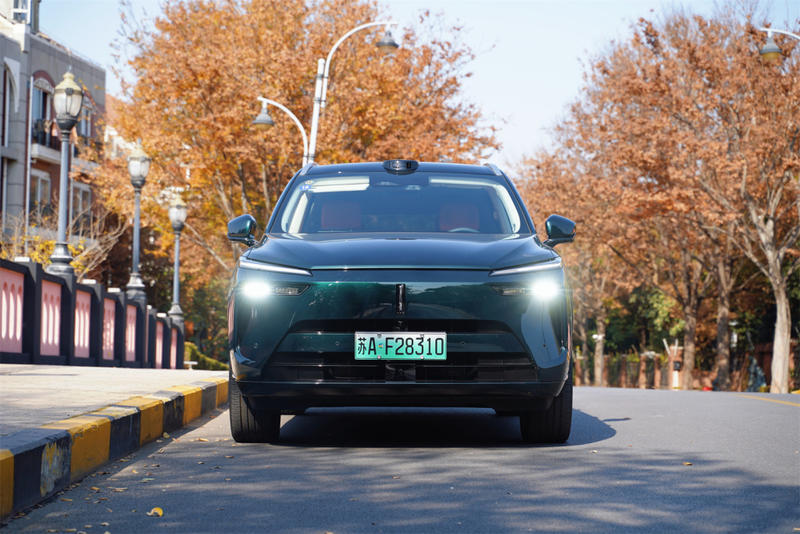
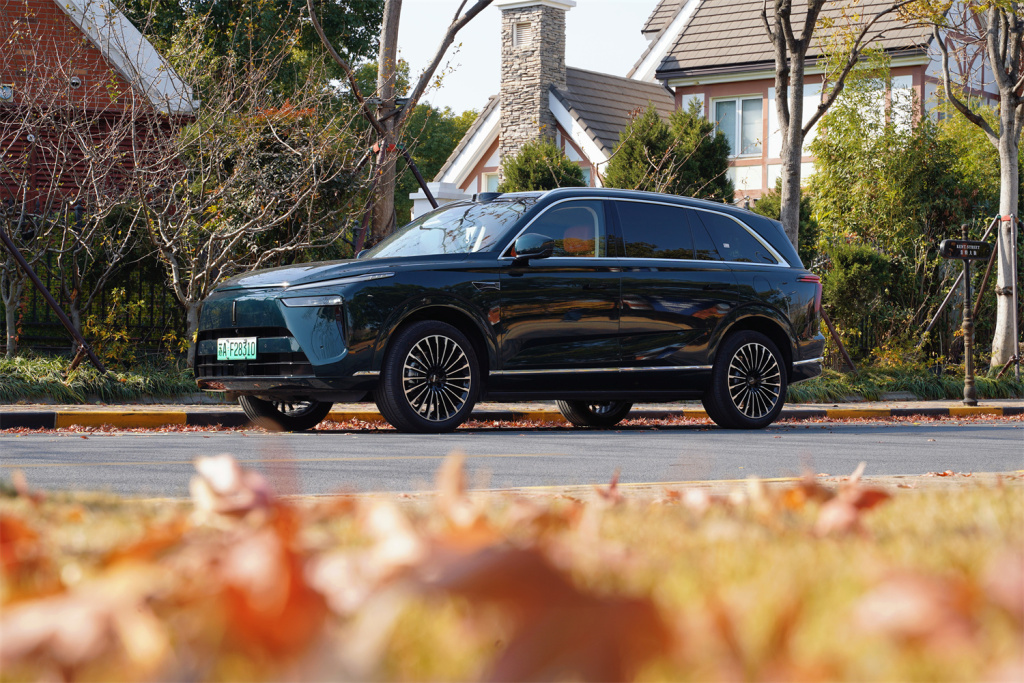
The exterior design of the new car remains largely unchanged. It retains the "grand" design, featuring a large, family-style grille with a well-organized dot-matrix chrome trim, paired with sharply angled LED headlights on both sides.
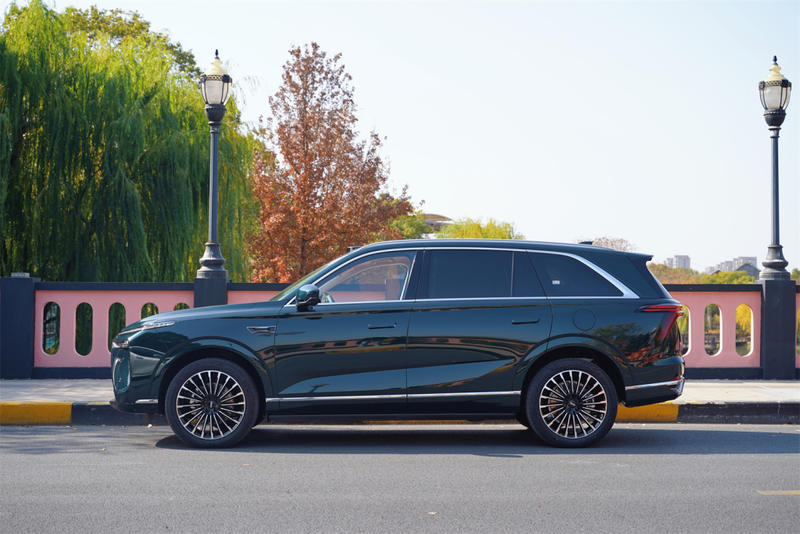
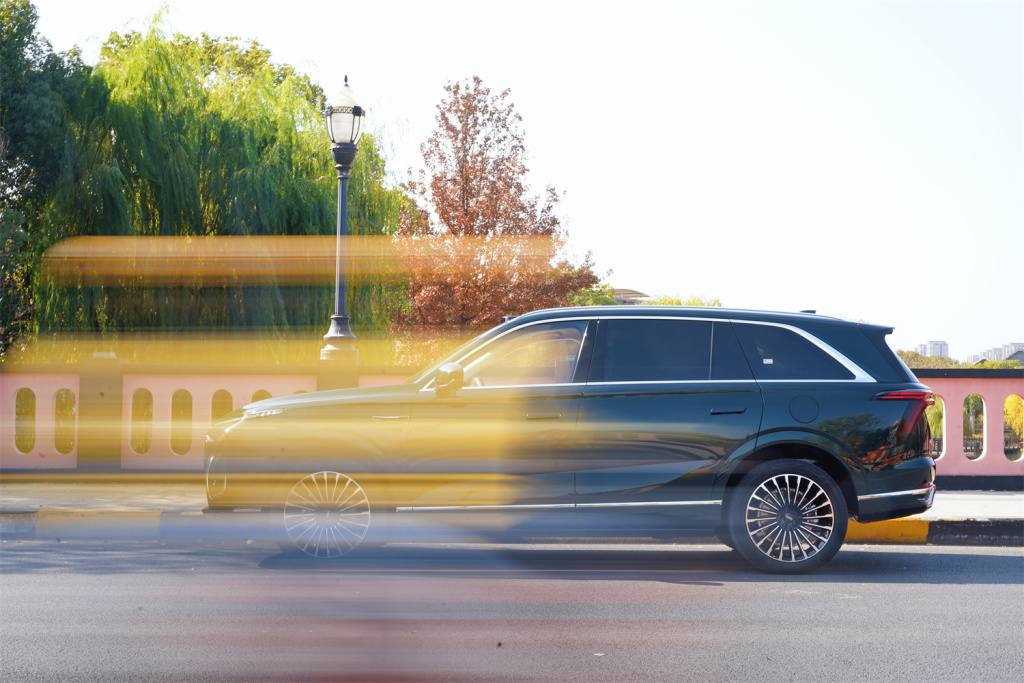
The side profile features smooth and flowing lines, with a continuous waistline extending from the front to the rear. Combined with a floating roof and large wheels, the overall stance of the car appears longer and more dynamic.
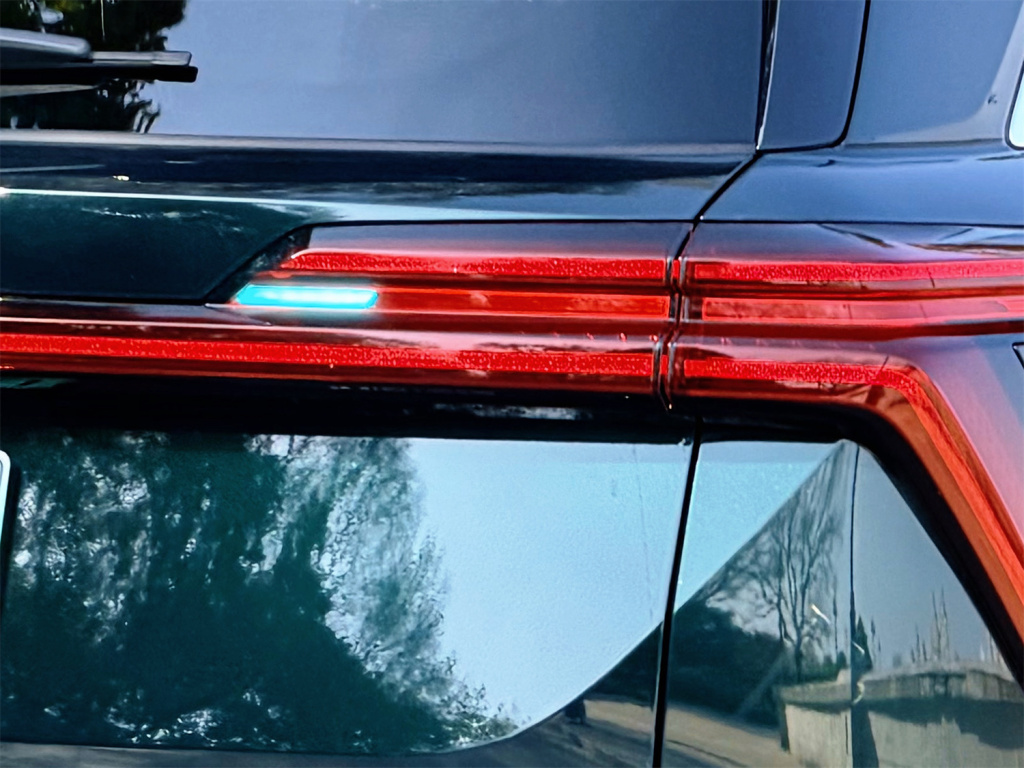
The biggest change in appearance is the addition of a small blue light for driver assistance, which can achieve intelligent dual brightness adjustment and will not cause visual disturbance to other road users at night.
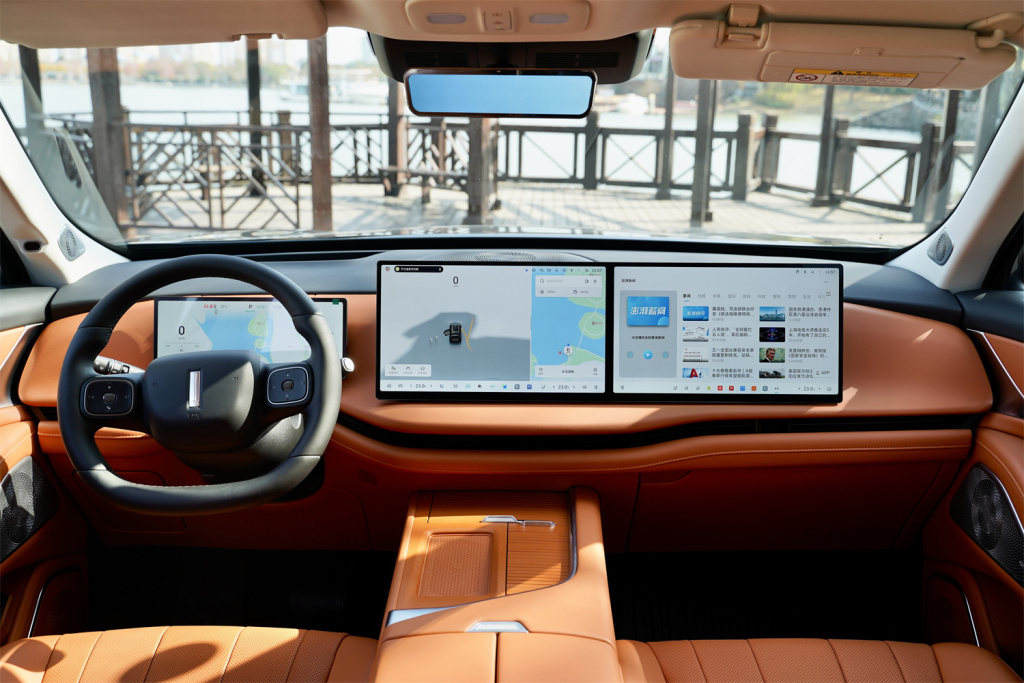
In terms of space, the cabin adopts a "family-friendly" design philosophy. The vehicle measures 5156/1980/1805mm in length, width, and height, with a wheelbase of 3050mm. The nearly 1.26-meter-high ceiling design provides extremely spacious headroom inside the vehicle.
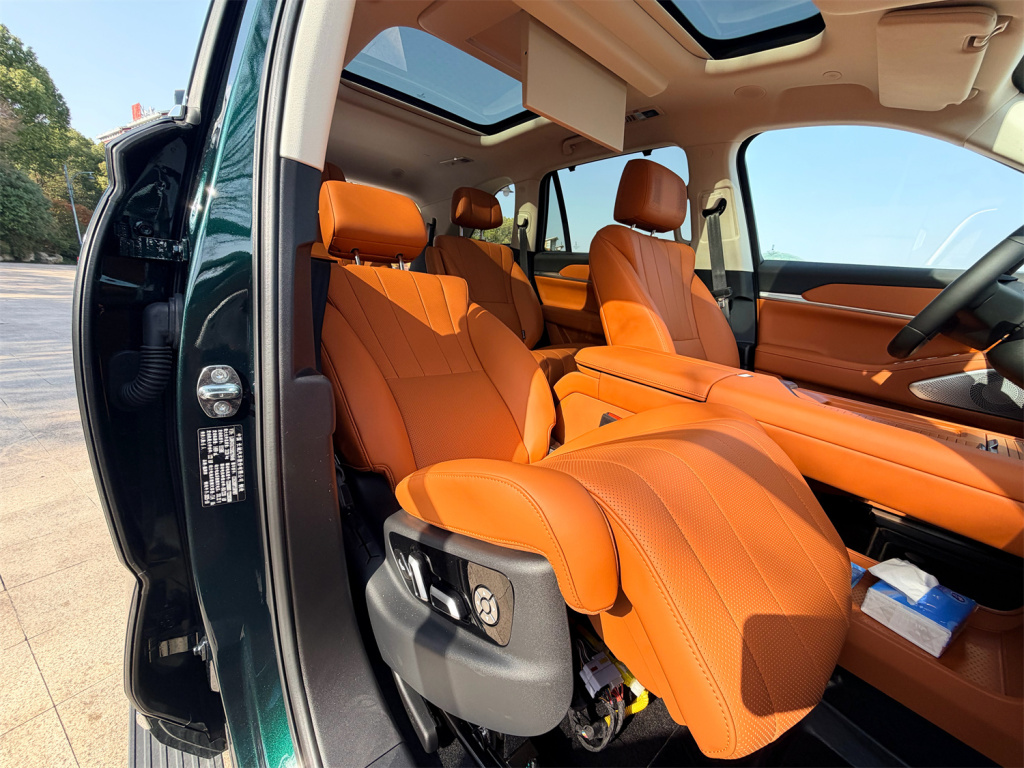
Seats are a key element in the comfort of the all-new Blue Mountain Smart Advanced Edition. The second row offers 1-meter legroom with dual electric leg rests, allowing even 1.8-meter-tall adults to sit in a semi-reclined position. The third row is surprisingly spacious, with 826mm of legroom and 851mm of headroom, transforming it from an "emergency seat" to a "comfortable seat," eliminating the cramped feeling of sitting on a small stool.
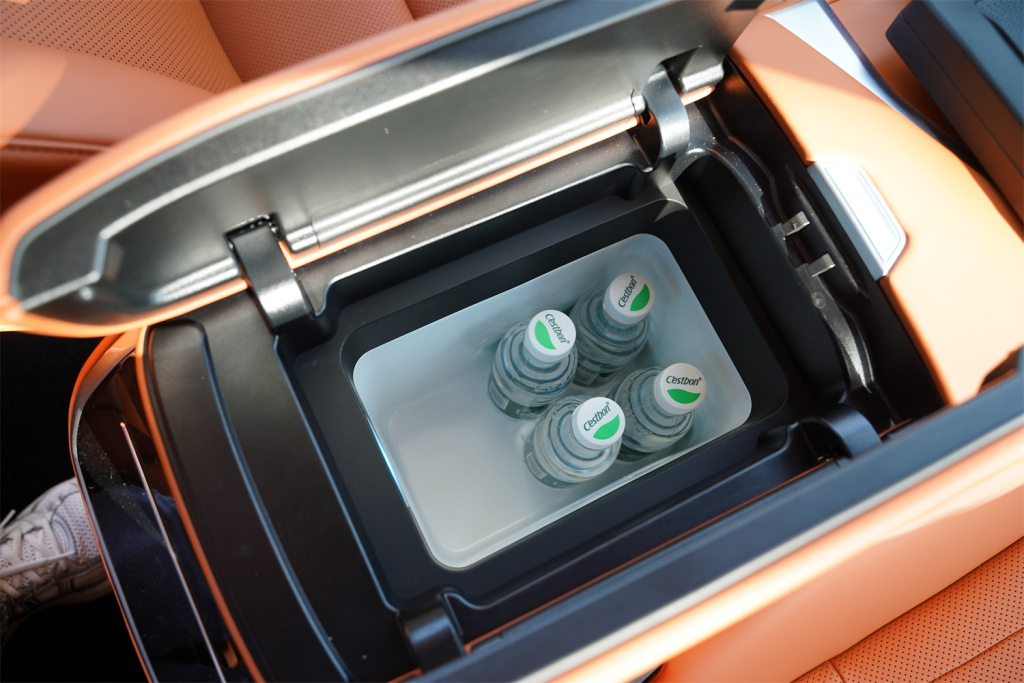
In terms of power, the all-new Blue Mountain Intelligent Advanced Edition adopts the industry's first Hi4 Performance Intelligent Electric Hybrid Four-Wheel Drive System, boasting all-around performance in terms of speed, range, fuel economy, and stability. With a maximum power of 422kW and a peak torque of 822N·m, it achieves a 0-100km/h acceleration time of 4.9 seconds, a combined range of up to 1343km, and a WLTC fuel consumption as low as 6.5L/100km when the battery is depleted, while also supporting 92-octane gasoline, balancing performance and fuel efficiency.
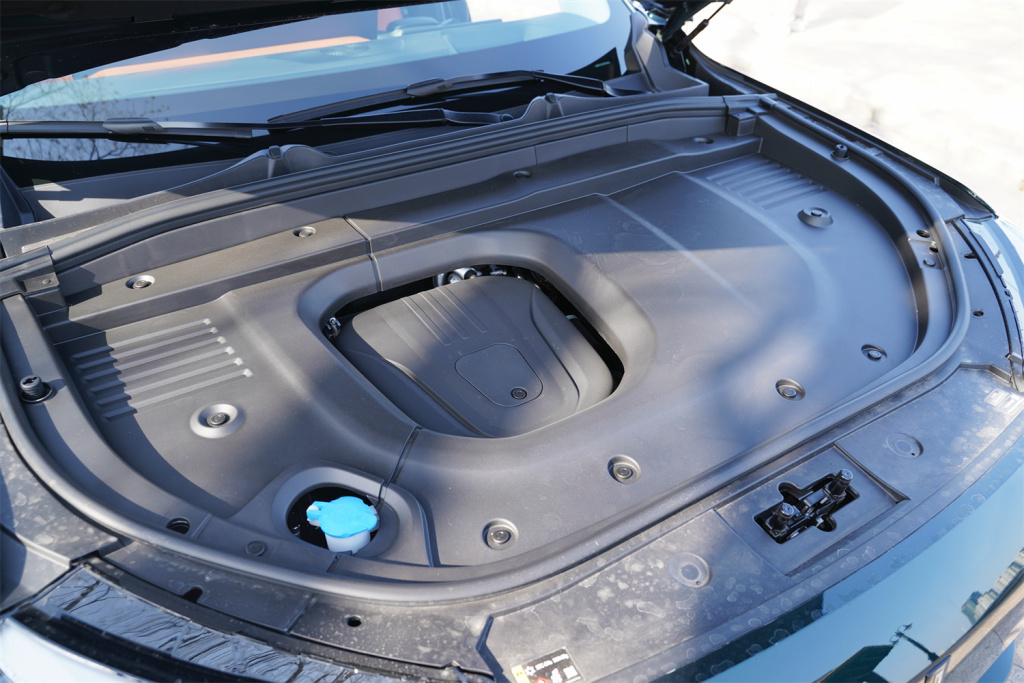
Furthermore, the driving experience has been significantly improved. The newly added "damping pre-aiming" function uses sensors to identify bumps such as speed bumps and potholes in advance, and actively adjusts the damper damping to effectively suppress body bounce. The iTVC intelligent torque vectoring control system, combined with a near 50:50 golden axle load distribution, can effectively reduce body roll when cornering, giving this large SUV handling agility comparable to that of a sedan.
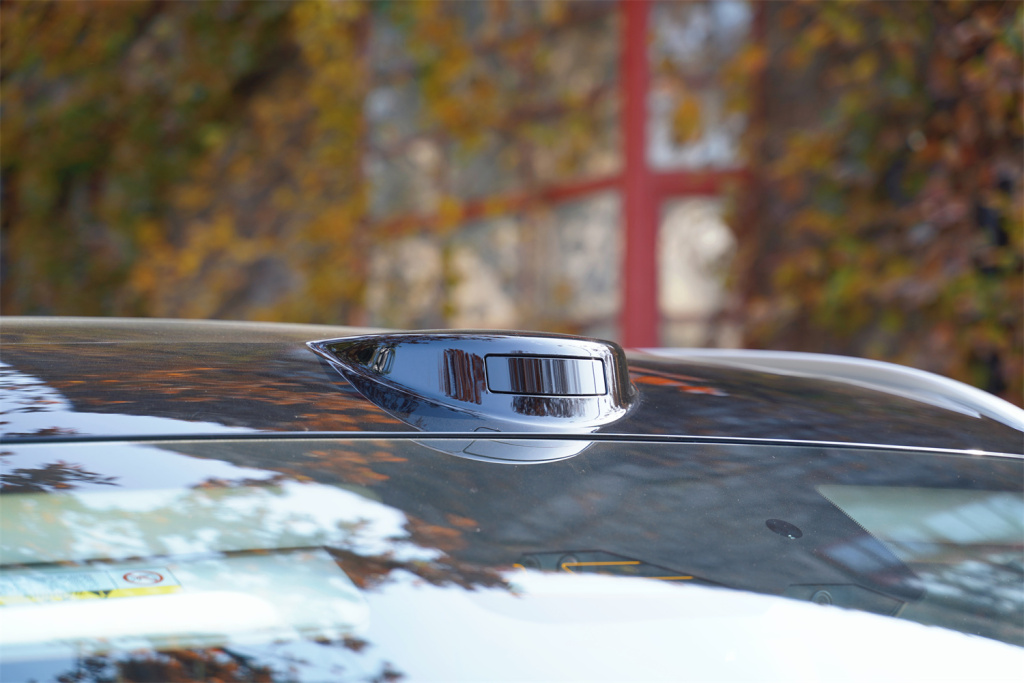
As the core highlight of this upgrade, the combination of the VLA large model and the NVIDIA DRIVE Thor-U chip enables the new Blue Mountain Intelligent Advanced Edition's intelligent driving to achieve a qualitative leap from "function execution" to "scenario thinking." The vehicle is equipped with 27 intelligent sensors, including 1 LiDAR, 3 millimeter-wave radars, 11 high-definition cameras, and 12 ultrasonic radars, creating all-weather, all-round perception redundancy.
Meanwhile, the VLA big model endows the new generation Coffee Pilot Master (CP Master) driver assistance system with three major capabilities: "understanding, seeing, and thinking." In assisted driving mode, by calling out "Xiao Wei," users can control the vehicle with natural voice commands such as "drive faster" and "stay away from large vehicles," making "human-vehicle co-driving" more efficient and flexible. Thanks to the addition of the VLA big model and powerful multimodal fusion perception capabilities, the new Weipai Blue Mountain Intelligent Advanced Edition can understand scenarios—expanding the applicable scenarios of assisted driving to more complex and realistic road conditions such as wet and slippery weather, bumpy roads, and construction sections.
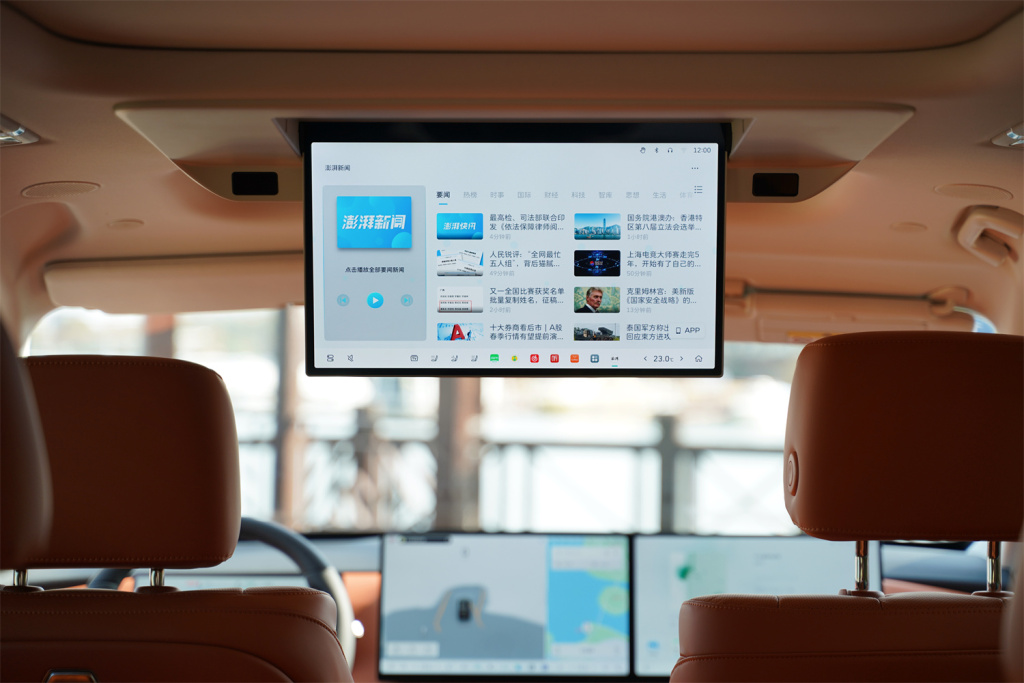
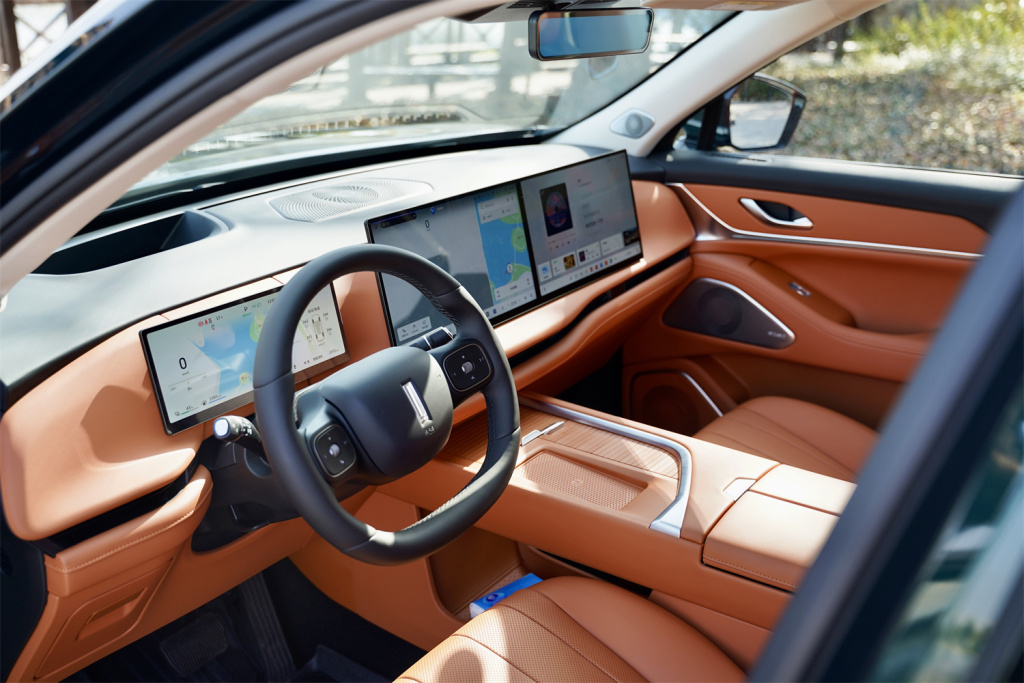
Furthermore, the addition of CoT thinking chain cards eliminates the "black box anxiety" of assisted driving. The decision logic of each braking and steering maneuver of the vehicle is presented in real time on the central control screen in the form of clear cards, allowing users to intuitively see the system's reasoning process and build trust.
In actual driving experience, the reporter followed the in-car navigation route throughout the entire journey. In road conditions that included urban surface roads, elevated expressways, and highways, the new Blue Mountain Intelligent Advanced Edition's CP Master assisted driving system performed smoothly, requiring no driver intervention at all. With a simple "Xiao Wei, get ready to start," the system would automatically activate the assisted functions, making it feel as if the assisted driving system was not mechanically executing commands, but rather understanding the driver's intentions.
Meanwhile, when encountering electric bikes that suddenly dart out or other vehicles that change lanes arbitrarily while driving, we can see the complete thinking logic of the system from the CoT thinking chain cards on the central control screen, and feel that this assisted driving has achieved a qualitative change from "function execution" to "scenario thinking".